Adapt the procedure
Edit every step, role and decision for the way your business actually works.
Start with a ready-made procedure, customize every step in Procespad, and give your team checklists they can complete on their phones. Everything is free during early access.

Customize the procedure for your business, turn it into a recurring checklist, share it with staff and see what was completed. The flowchart, SOP and checklist stay aligned as you edit.
Everything is included during early access. No payment method required. Paid plans may come later, with advance notice. How free early access works.
Edit every step, role and decision for the way your business actually works.
Turn the procedure into a checklist staff can complete from their phones.
See completion history, train the team and improve the process over time.
Change instructions, roles and decisions in one editor. Preview the procedure, flowchart and checklist before saving a copy.
Use these popular starting points to standardize opening, closing and room-cleaning work, then adapt them to your team.
A daily opening procedure for restaurants, from unlocking the building to opening the doors: security, kitchen equipment and temperature checks, prep, dining room setup and a short team briefing. Written for the opening manager and the first shift.

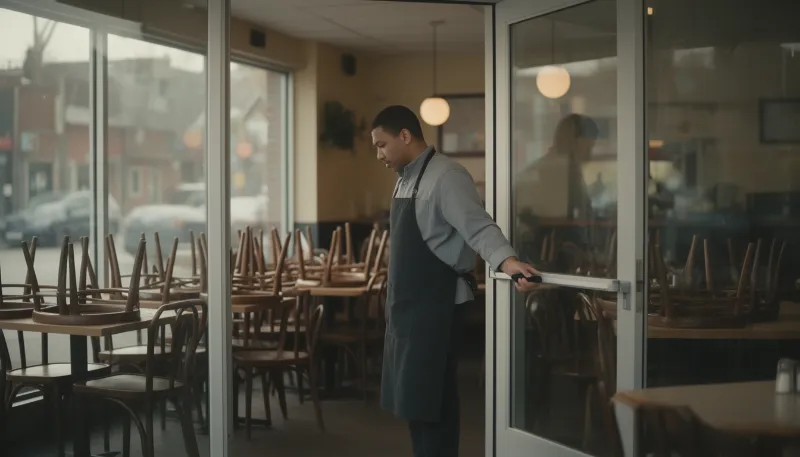
This restaurant closing checklist walks your team through the final hour of service to lock-up: clearing tables, breaking down the kitchen, storing food safely, counting takings, and securing the premises.

A complete pre-opening procedure for a small coffee shop or cafe, covering machine warm-up, dial-in, stock checks, cleaning, till setup, and final walk-through before the first customer arrives.

This bar opening checklist takes a bartender and shift manager from unlocking the door to the first order: security, taps and coolers, ice, glassware, garnishes, stock against par levels, the till float and a final walk-through.

This housekeeping procedure covers a full room turnover after checkout, from checking the room status to the final inspection, written for small hotels and B&Bs with a team of two to six housekeepers.
Every template is written for small teams, checked for unsafe advice and points out where local rules apply.
A daily opening procedure for restaurants, from unlocking the building to opening the doors: security, kitchen equipment and temperature checks, prep, dining room setup and a short team briefing. Written for the opening manager and the first shift.
This restaurant closing checklist walks your team through the final hour of service to lock-up: clearing tables, breaking down the kitchen, storing food safely, counting takings, and securing the premises.
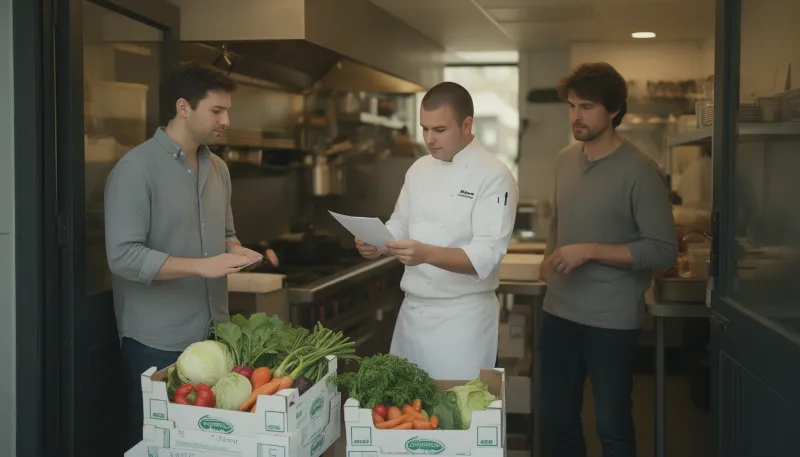
A kitchen receiving routine that covers checking chilled and frozen temperatures, matching the delivery to the order, inspecting packaging and dates, rejecting faulty goods, storing stock first-in-first-out and logging problems with the supplier.
This bar opening checklist takes a bartender and shift manager from unlocking the door to the first order: security, taps and coolers, ice, glassware, garnishes, stock against par levels, the till float and a final walk-through.
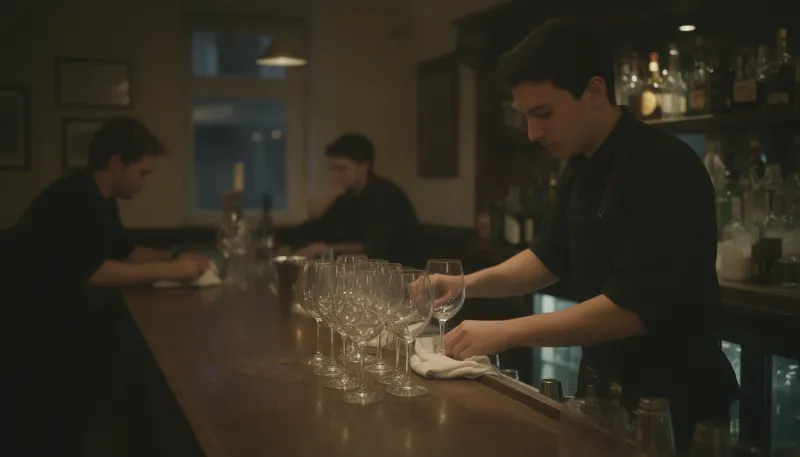
This bar closing checklist walks your team through the nightly close: last call, clearing guests safely, glassware, taps and the ice well, a spirits check, the cash-up and locking the venue. Written for bars with two to eight staff.

A table-side process for servers and floor managers to acknowledge a guest complaint, fix it within their authority or escalate, check that the fix worked and log the issue so recurring problems get solved.
This housekeeping procedure covers a full room turnover after checkout, from checking the room status to the final inspection, written for small hotels and B&Bs with a team of two to six housekeepers.

A step-by-step front desk hotel check in process covering booking lookup, identity verification, payment collection, room assignment, key issuance, and guest orientation. Designed for small and mid-size hotels with a single reception desk.
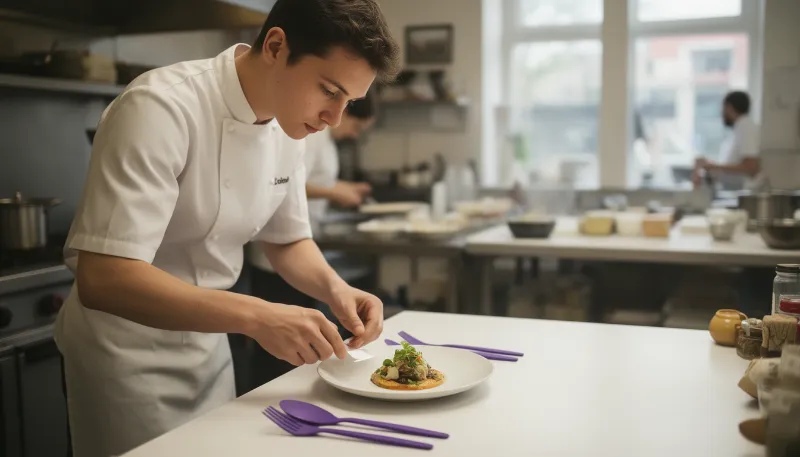
This SOP walks a server and kitchen team through handling a guest's declared food allergy from the first question at the table to the plate landing safely in front of them. Designed for small restaurants with 3–50 staff.
A complete pre-opening procedure for a small coffee shop or cafe, covering machine warm-up, dial-in, stock checks, cleaning, till setup, and final walk-through before the first customer arrives.

A step-by-step retail store opening checklist for small-to-mid-size shops. Covers the alarm, safety walk-through, till float, shelf prep, signage, team huddle, and unlocking the doors. For the manager and sales staff who open the shop each trading day.
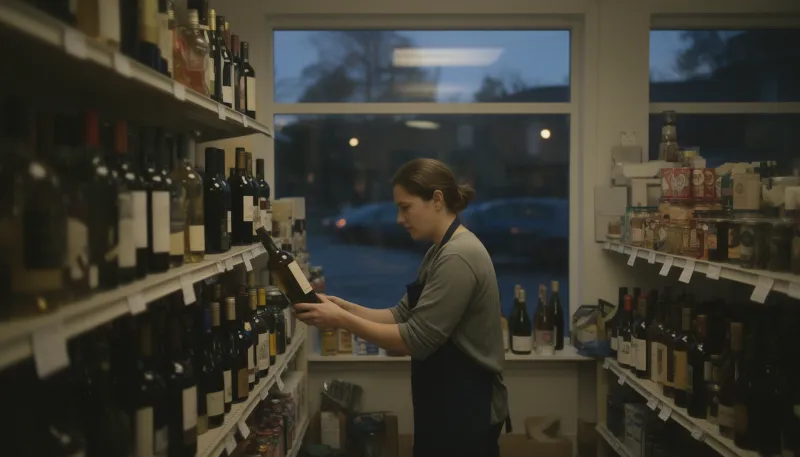
A step-by-step procedure for small shops and stores covering customer clearance, till cash-up, floor recovery, fitting rooms, waste removal, systems shutdown, and alarm lock-up. Designed for teams of two to five closing staff.

This procedure covers the end-of-day cash-up at a single retail till, from printing the Z-report through witnessed counting, resolving any discrepancy, preparing tomorrow's float, and sealing takings into the safe.

This procedure covers the full counter-to-back-of-house flow when a customer brings an item back to a small retail shop: verifying the receipt, inspecting condition, processing the refund or exchange on the till, and restocking or writing the item off.

This stock receiving procedure walks a shop assistant and store manager through checking a delivery against the purchase order, inspecting for damage, recording shortages, booking received quantities into the system, and putting items on the shelf or floor.

This stock take procedure walks a small retail team through planning zones, counting in pairs, checking variances against a threshold and posting adjustments. Designed for shops with 3-50 staff and up to roughly 3,000 SKUs.

This SOP walks a small retail team through receiving, investigating, resolving, and closing a customer complaint, with clear escalation paths and a weekly review step to catch recurring issues.

This procedure walks store staff through preparing an online click and collect order from the shelf to the customer's hands, including stock checks, packing, notification, identity verification at pickup, and chasing uncollected orders.
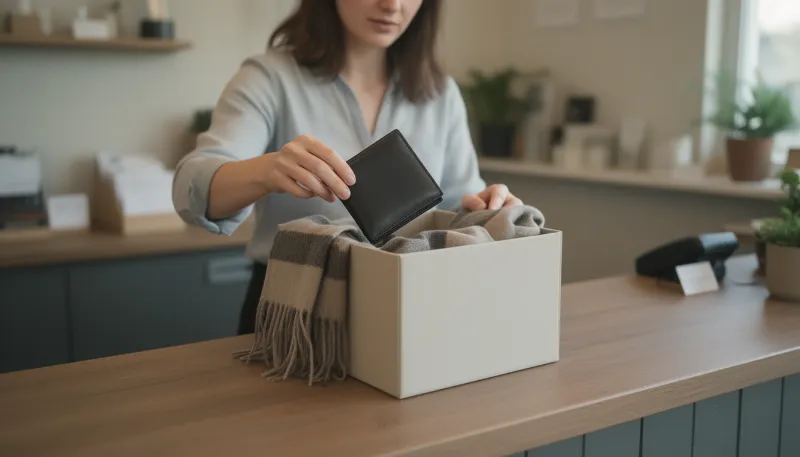
This procedure covers how shop staff collect, log, store, and return lost property, including how to handle valuables and ID documents separately. It is written for small retail teams of three to fifty people.
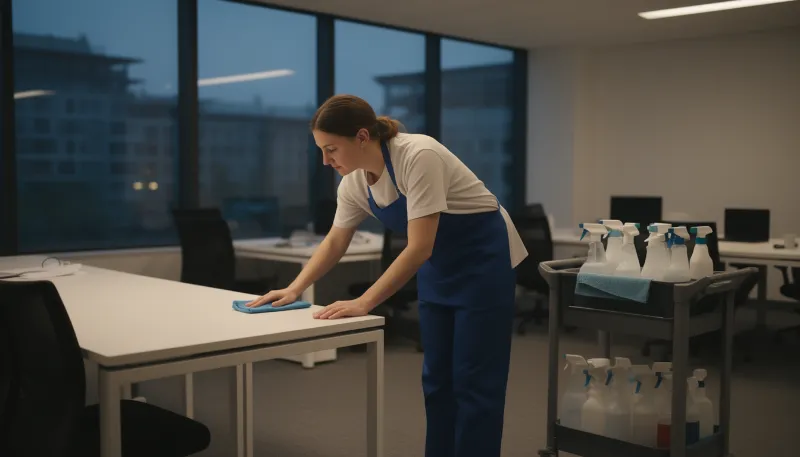
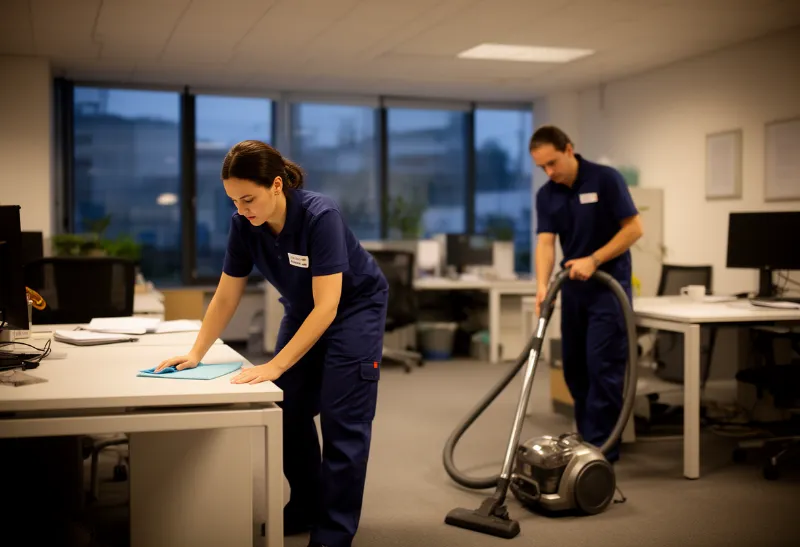
This procedure walks a cleaner through a standard commercial office clean from arrival to sign-off, covering waste, surfaces, kitchen, toilets, floors, restocking and reporting any damage or maintenance issues found on site.
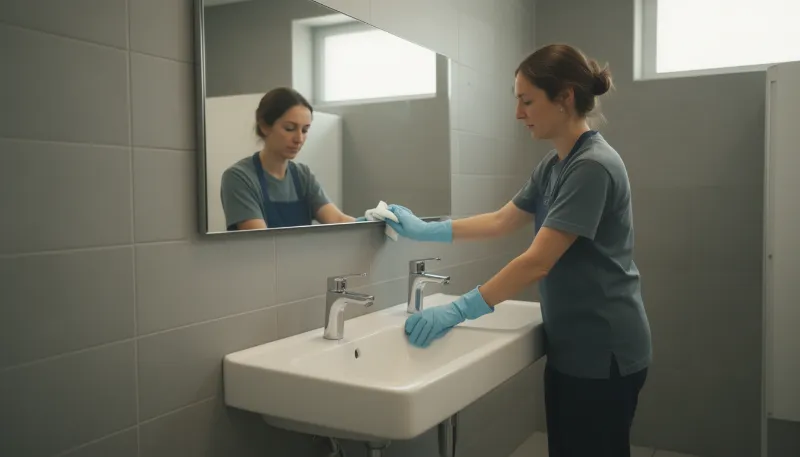
A step-by-step restroom cleaning checklist for cleaning technicians working commercial and public sites, covering sanitising, restocking, and signing off the service log for each stop on your route.

A complete turnover procedure for a small cleaning crew working between short-stay guests: confirm checkout, report any damage with photos, wash all linen, clean every room, restock supplies, and reset the property to match the listing before locking up.
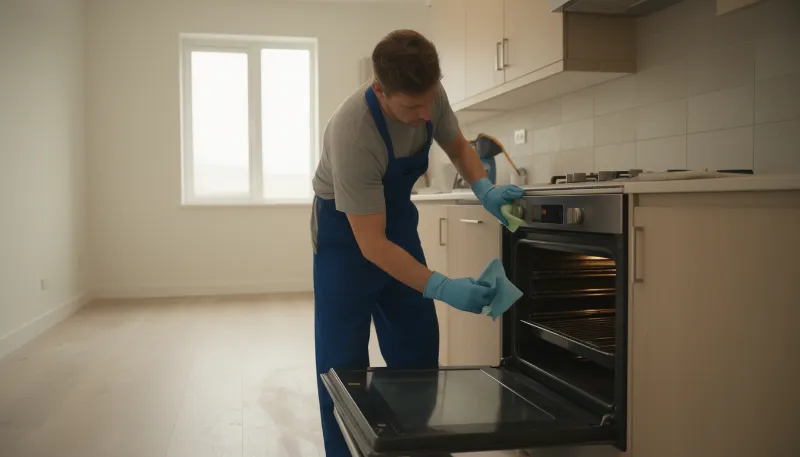
A step-by-step procedure for a cleaning team carrying out an end-of-tenancy or move-out deep clean, from the pre-job inventory walk-through to the final photo inspection and sign-off.
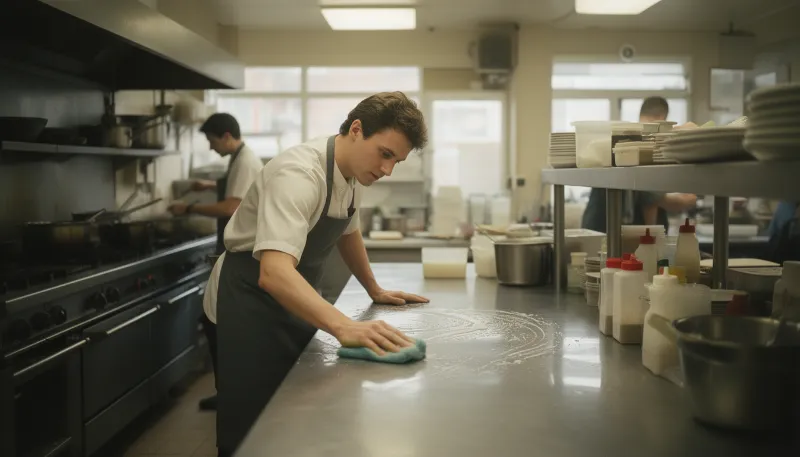
A structured daily and weekly cleaning routine for a cleaning team servicing commercial kitchens, covering surface work, deep-clean items, floors, drains, and the final sign-off record.

A supervisor's walkthrough procedure for inspecting a cleaned commercial site against the agreed specification, scoring each zone, triggering a re-clean when needed, giving the cleaner feedback, and reporting results to the client.

This procedure walks a small commercial cleaning business from the initial site visit through to the post-first-clean follow-up call, covering quoting, contracts, access, risk notes, scheduling and team briefing. It is designed for operations managers, site surveyors and shift supervisors in teams of up to 50 staff.
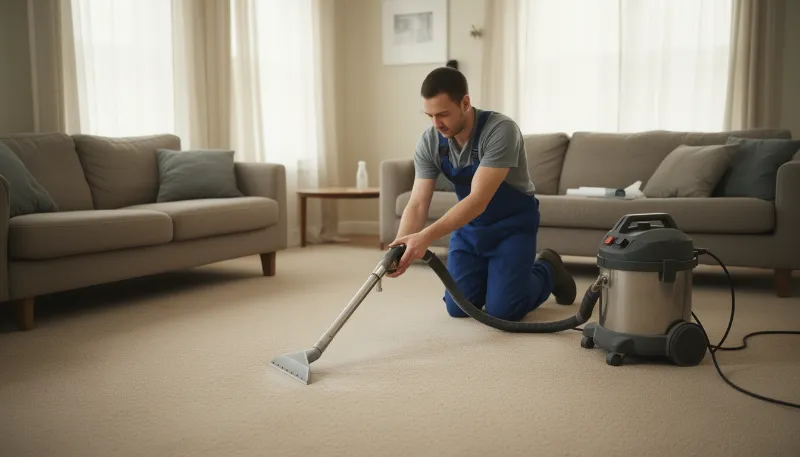
A full-job carpet cleaning procedure for a two-person professional team: inspecting fibre, testing products, extracting, grooming, drying, and signing off with the customer.

A simple onboarding process for small businesses, from the signed offer to the end of probation: paperwork, equipment and accounts, a first-day welcome, training with a buddy, regular check-ins and the probation review.

A structured walk-through for the hiring manager, office manager, and team lead to run a new hire's first day from pre-preparation through an end-of-day check-in, keeping admin off the critical path so the person being onboarded feels oriented rather than processed.

This employee offboarding checklist walks HR, line managers, IT, and payroll through confirming a departure, planning handover, recovering assets, revoking access, processing final pay, running an exit conversation, and closing out the record.

This procedure walks a small-business team through every stage of filling a role, from confirming the budget to the new starter's first day. It is designed for owners and managers who handle hiring without a dedicated HR department.

A step-by-step procedure for managers and HR staff to handle a holiday or leave request from submission through balance check, cover planning, recording, and written confirmation. Designed for teams of 3 to 50 people.

A structured annual or half-year performance review process for teams up to 50 staff, from scheduling through self-assessment, the one-to-one meeting, goal agreement, signing, and scheduled follow-ups.

This procedure covers how an outgoing shift writes up open tasks, incidents and equipment issues, walks the floor with the incoming lead, resolves urgent items before leaving, and both leads sign a shared record. Designed for shops, kitchens, care settings and small warehouses.

This employee absence reporting procedure covers what happens from the moment an employee calls in sick through to the return-to-work conversation. It is written for small teams of 3-50 where a shift manager and an HR coordinator handle absences day to day.
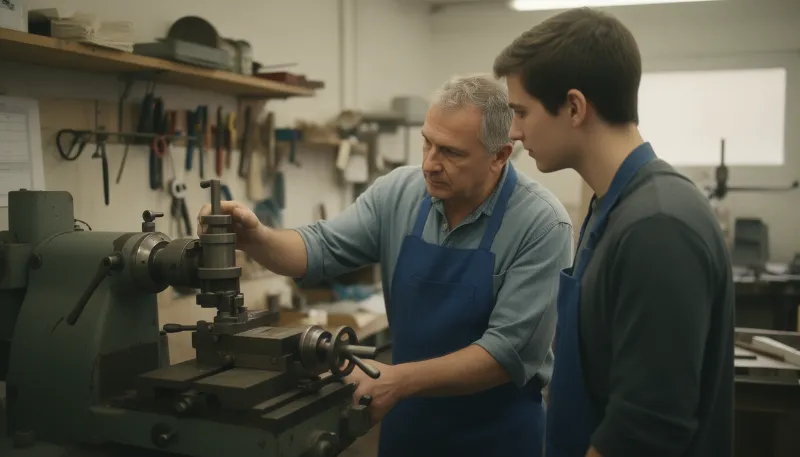
This procedure walks a small-business team through training an employee on a new task or system, from identifying the gap to signing off competence and scheduling a follow-up check. It is designed for HR coordinators, team leads, and line managers in teams of 3–50.

This procedure walks a small team through collecting, checking, querying, approving, and filing weekly or monthly timesheets so payroll runs on time and every hour is backed up by clock data or the rota.

A fulfillment process for small webshops and warehouses, from a new order to a delivered parcel: order and payment checks, stock, picking, packing, labelling, shipping and keeping the customer informed.
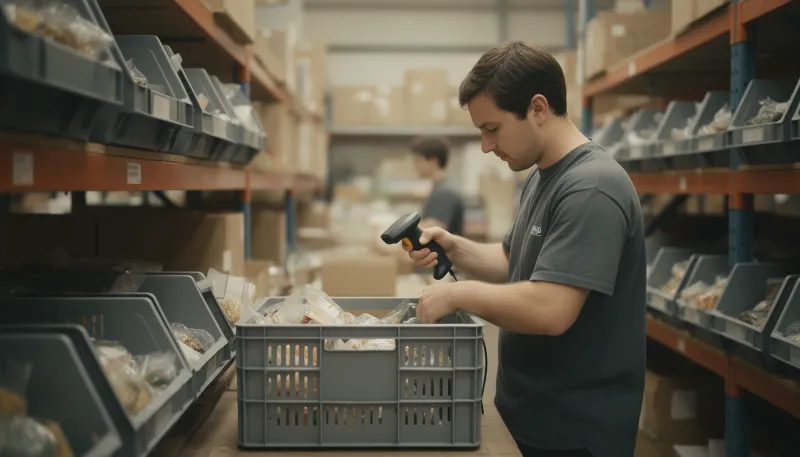
This procedure covers the full pick and pack process from opening a pick list to staging finished parcels for carrier collection, designed for small warehouses and e-commerce fulfilment teams of three to fifty staff.

This procedure covers the full inbound flow at a small e-commerce or fulfilment warehouse: from confirming the delivery slot through unloading, checking against the purchase order, inspecting, counting, labelling, updating stock, and putting goods away. It is written for receiving clerks, dock operatives, and shift supervisors.
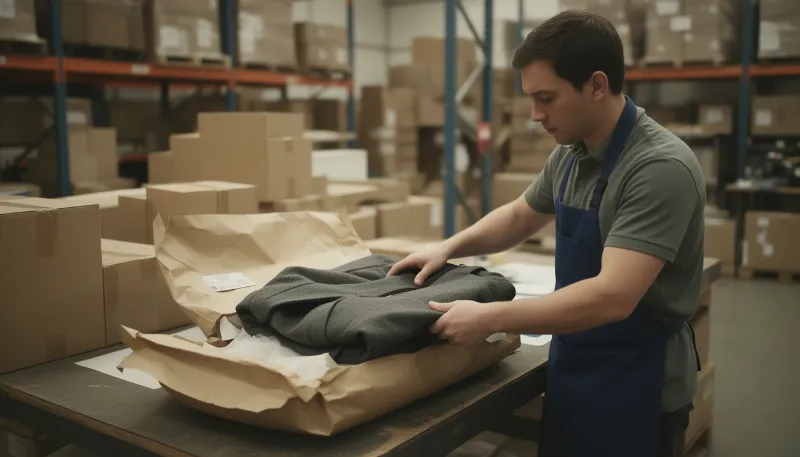
This procedure walks a customer return from the initial request through eligibility check, parcel receipt, condition inspection, and final disposition (restock, refurbish, or write-off), ending with the refund or exchange. Designed for e-commerce operations with 3–50 staff.

A daily or weekly routine that keeps warehouse stock records accurate without shutting down the floor. Covers pulling an ABC-scheduled count list, running a blind count, comparing to system, recounting variances, investigating causes, and recording adjustments.

This procedure walks a packed e-commerce order from the staging shelf through carrier selection, label creation, international customs documentation, carrier handover, customer tracking notification, and exception monitoring. Designed for warehouse teams of 5 to 50 staff.

This procedure walks a small warehouse or e-commerce team through the full buying cycle: flagging low stock, getting quotes, creating and approving a purchase order, receiving goods, running a three-way match on the invoice, and scheduling payment.

This procedure walks a first-line support agent through every stage of a warehouse or e-commerce support ticket, from the moment an email or chat lands in the inbox to the point where the ticket is closed and tagged for weekly reporting.

This procedure walks a supplier invoice from the shared inbox through verification, budget-holder approval, accounting entry, payment scheduling, and archiving. Designed for office teams of three to fifteen people who handle their own AP without a full finance department.

This procedure covers how an employee submits a business expense, how a manager checks it against policy, and how finance books and reimburses it. Designed for small offices, sales teams, and bookkeeping staff of 3-50 people.

A practical client onboarding checklist that walks an agency or service firm from signed agreement through kickoff, access collection, project planning, the first deliverable, and a structured 30-day check-in. Designed for teams of 3-50 in sales, finance, or professional services.

This procedure walks a sales rep through taking a B2B lead from first contact to delivery handover, with two key decision points: whether the lead is qualified and whether the proposal was accepted.

A practical month end close checklist that walks a small-business bookkeeper and office manager through recording all transactions, reconciling accounts, reviewing the P&L, locking the period, and handing a summary to the owner.
All three are made from the same description of the process, so they always match.
The whole process at a glance, including the checks where the team decides what happens next. Colours show who does what.
Numbered steps with the role responsible and the detail that separates done from done well.
One line per step to tick off during a shift, on screen or printed for the wall.
A standard operating procedure (SOP) is a written description of how a recurring task is done in your business: the steps, who does each one and what "done" looks like. Good SOPs keep work consistent between shifts and people, make it quicker to train new staff and give you something concrete to improve when things go wrong.
Many small businesses keep their procedures in people's heads. That works until someone is ill, leaves or is new. Writing a procedure down once, as a flowchart for the overview, a step list for the detail and a checklist for the daily routine, fixes that.
Yes. Every template is free to read, print and copy without signing up. The Procespad app is also free during early access, includes every feature and does not require a payment method.
It turns a static template into an editable procedure for your business. You can change the steps and roles, create recurring checklists, share them with staff on their phones and keep a completion history.
Yes, and you should. Choose Customize free in Procespad to open an editable copy, or copy the text into your own document. Adapt the roles, timing and any checks that depend on local rules.
No. Rules for food safety, employment, cleaning products and consumer rights differ per country and region. The templates point out where local rules apply; check those with your local authority or adviser before you rely on a procedure.
Open a template and choose Print checklist. You get the checklist on its own, ready for a clipboard or the wall. Print SOP gives you the flowchart and the numbered steps.